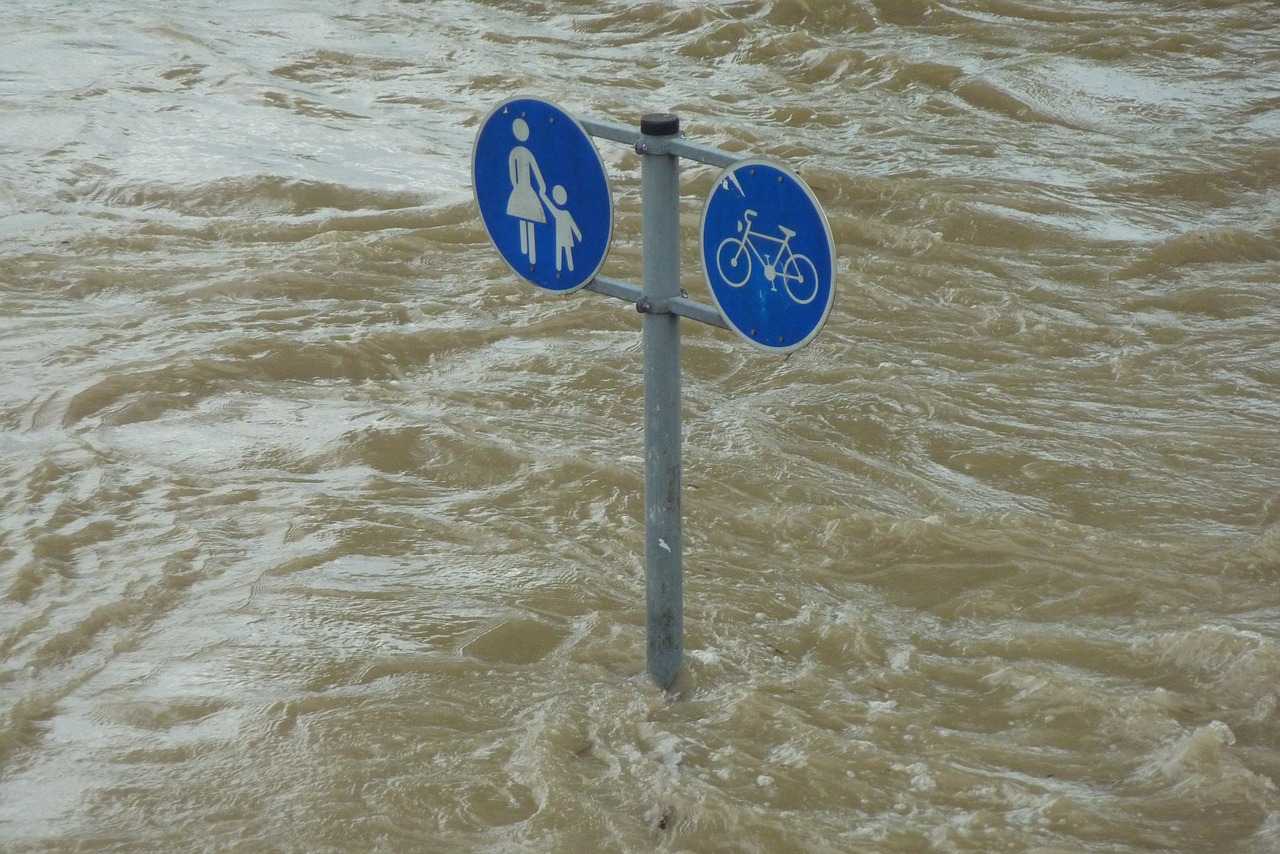
Eryri (Snowdonia) is one of the wettest parts of Britain, and the same rain that feeds its waterfalls and lakes can turn a quiet river into a flood in a matter of hours. If you own a home or a holiday cottage on a valley floor, beside a river or near the coast, it pays to understand your flood risk and to put sensible measures in place before the next big storm. This guide explains how to check your risk, how to get warnings and what can be done to make a property more resilient.
Why flood risk matters in Eryri
The mountains catch heavy rain, and steep catchments send that water down into the valleys quickly. Many of Eryri’s towns and villages grew up beside rivers and bridges, from Betws-y-Coed at the meeting of the Conwy and Llugwy to Beddgelert on the Glaslyn, so many older properties sit on the valley floor. When Storm Ciara hit in February 2020, flooding across North Wales particularly affected Llanrwst in the Conwy Valley, and some upland sites in Eryri recorded a large share of their monthly rainfall in less than a day. Water has shaped the Conwy Valley before: read the story of Dolgarrog’s dam disaster.
Properties most likely to be affected include:
- Homes and cottages on the flat valley floors of rivers such as the Conwy, Glaslyn, Mawddach and Dyfi.
- Buildings close to small mountain streams, which can rise very quickly in a cloudburst.
- Coastal and estuary properties, where high tides and storm surges combine with river flow.
- Properties at the bottom of slopes, where surface water runs off fields and roads.
Check your risk and sign up for warnings
In Wales, flood warnings are run by Natural Resources Wales (NRW), Cyfoeth Naturiol Cymru in Welsh. Two free steps are worth doing straight away:
- Check the Flood Risk Assessment Wales map on the NRW website to see whether your address is at risk from rivers, the sea or surface water.
- Sign up for flood warnings online through NRW or by calling the 24-hour Floodline on 0345 988 1188. Warnings can come by text, phone call or email.
NRW issues three levels: a Flood Alert (flooding is possible, be prepared), a Flood Warning (flooding is expected, act now) and a Severe Flood Warning (danger to life). If you run a holiday let, make sure your guests know what each one means and have a written plan they can follow.
Measures to reduce flood damage
It is impossible to completely flood-proof a building, but there is a lot you can do to keep water out for longer and to recover faster if it does get in. Some measures are simple; others need a team of experienced builders Llanrwst homeowners can rely on, especially in older stone properties.
Keeping water out
- Flood doors and door barriers: purpose-made flood doors, or removable boards that fit across doorways and low windows when a warning is issued.
- Air brick covers: self-closing or removable covers stop water pouring in through ventilation bricks. Make sure they are maintained so the building can still breathe day to day.
- Non-return valves: fitted to drains and sewer pipes to stop water backing up into the property.
- Sealing gaps: around pipes and cables where they pass through external walls.
- External wall treatment: appropriate sealing or repointing can reduce water getting into masonry. Traditional stone buildings need breathable materials, so take advice before applying any coating.
Limiting damage if water gets in
- Raise electrics: move sockets, consumer units and boilers well above likely flood levels. Use a qualified electrician.
- Flood-resilient floors: replace timber floors and fitted carpets on the ground floor with concrete and tiles, and use rugs that can be lifted when a warning comes.
- Resilient fittings: solid or plastic kitchen units, lime plaster and water-resistant skirting dry out and clean up far better than chipboard and gypsum.
- Lift valuables: keep important papers and electronics upstairs or on high shelves.
Around the property
Landscaping, drainage channels and permeable surfaces can help direct surface water away from a building. Take care not to push the problem on to your neighbours. Where several homes face the same risk, a shared flood barrier or community scheme may be worth discussing with the council and NRW.
Planning and listed buildings
Much of Eryri is covered by the National Park Authority’s planning rules, and many cottages are listed or sit in conservation areas. External works such as new doors, walls or landscaping may need consent, so check with the Eryri National Park Authority planning team before you start. A local surveyor or a property specialist who knows the area can also help you understand the risk before you buy. Our checklist for buying a holiday home in Eryri covers other things to check.
Insurance
Flood Re, the government-backed scheme that helps make flood cover affordable, applies to private residential homes built before 1 January 2009. It does not cover businesses or let properties, so holiday let owners will usually need specialist commercial cover. Talk to a broker and keep a record of any resilience work you carry out, as it may help when you renew. For the wider costs of ownership, see our honest guide to owning a holiday home.
If flooding is happening
Never walk or drive through floodwater: it can be deeper and faster than it looks, and it may be contaminated. Turn off gas and electricity if it is safe to do so, move people and pets upstairs and follow advice from the emergency services. If life is at risk, call 999.
FAQs
How do I find out if my property in Eryri is at risk of flooding?
Use the Flood Risk Assessment Wales map on the Natural Resources Wales website, which shows risk from rivers, the sea and surface water.
How do I get flood warnings in Wales?
Sign up free with Natural Resources Wales online, or call Floodline on 0345 988 1188.
Can I get flood insurance for a holiday let?
Holiday lets are generally outside the Flood Re scheme, so you will usually need a specialist commercial policy. A broker can help you compare options.
Do I need permission for flood protection works in the National Park?
Possibly. External changes to buildings, especially listed ones, may need planning or listed building consent. Check with the Eryri National Park Authority first.