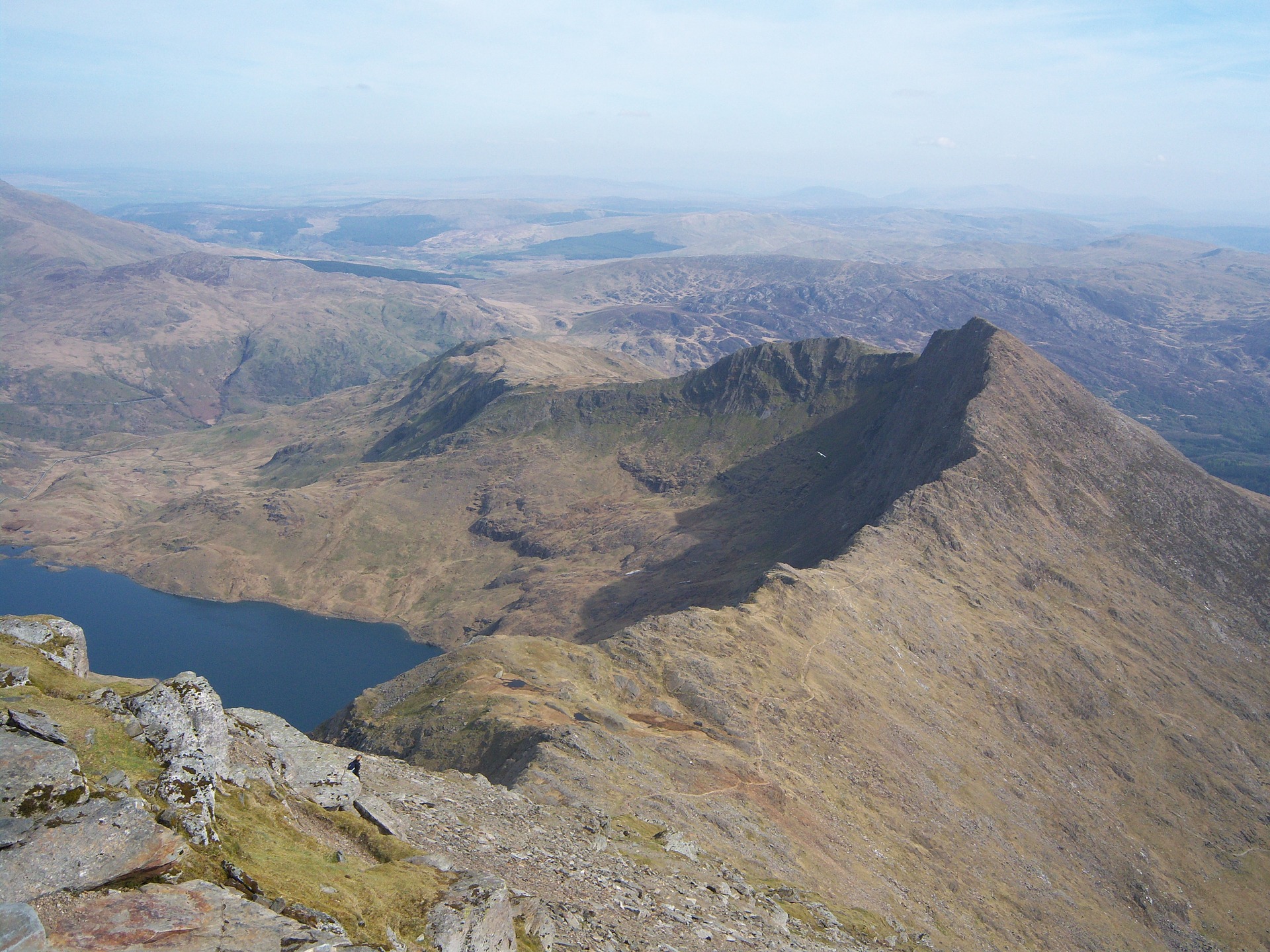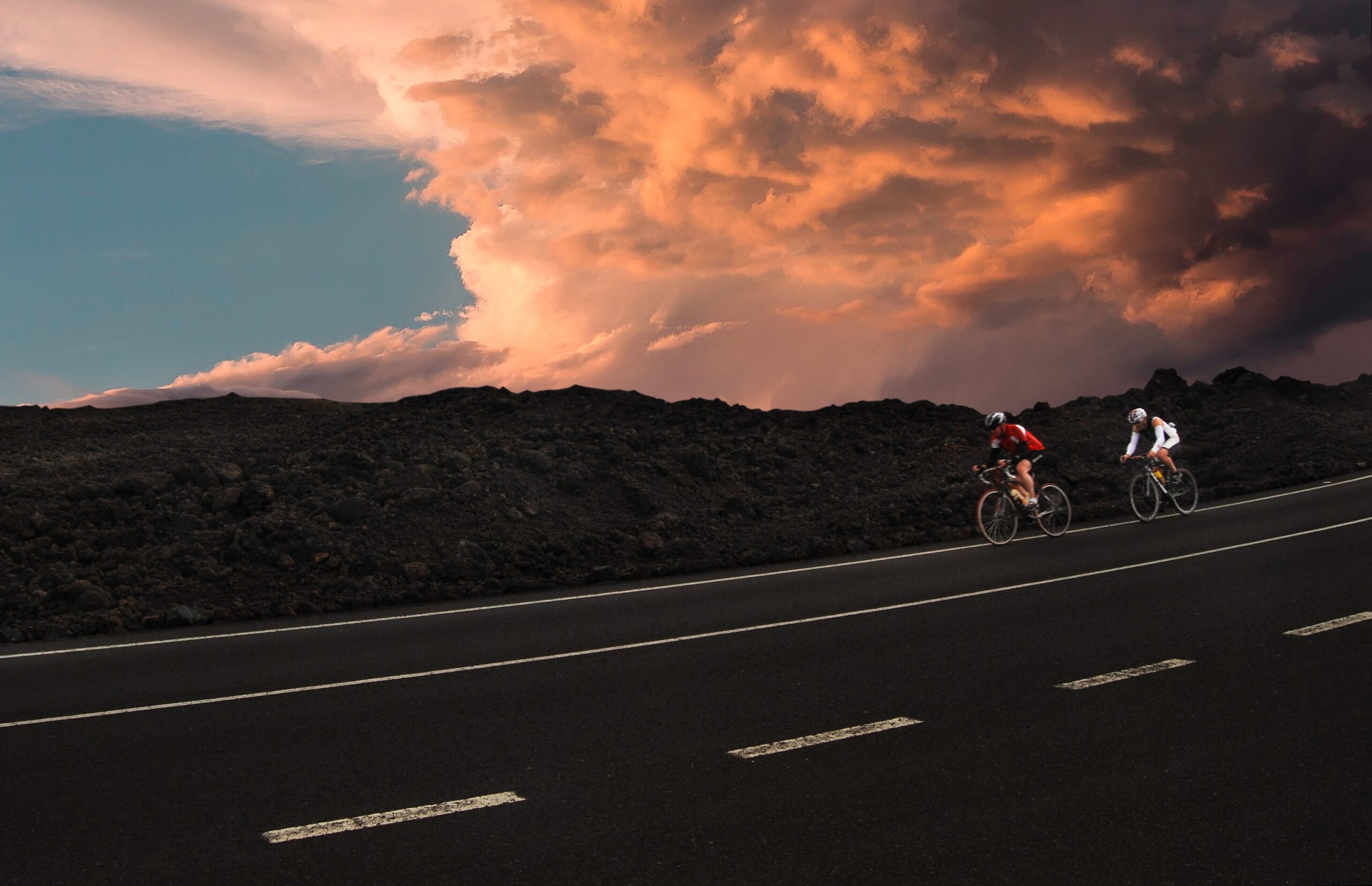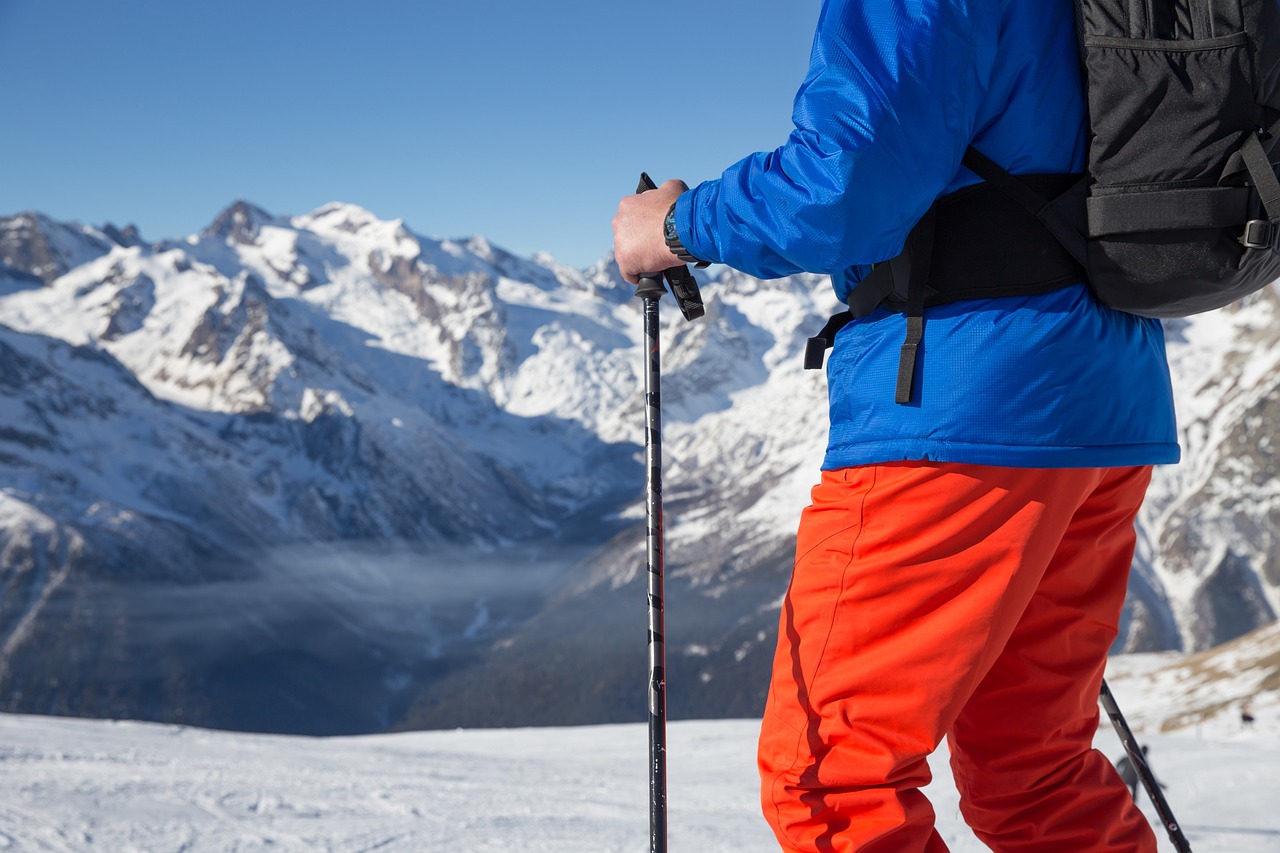
At first sight Eryri (Snowdonia) and the French Alps have little in common. One has peaks of over 4,000 metres and glaciers you can still walk on; the other tops out at 1,085 metres on Yr Wyddfa (Snowdon). Yet the two are linked in ways that surprise many visitors: by ice, by mountaineering history and by the climbers who have moved between them for more than a century.
Different rocks, very different ages
It is tempting to say the mountains of Wales and the Alps were made in the same way, but they were not, and the difference is part of what makes Eryri special.
The rocks of Eryri are ancient. Around Cwm Idwal, for example, they were laid down a little over 450 million years ago, in the Ordovician period, when this part of the world lay under an ocean. Underwater volcanoes erupted ash and lava, and layers of mud settled between eruptions. Later, the slow collision of ancient continents at the end of the Caledonian mountain-building period folded and squeezed these rocks, turning the mudstones into the slate that later built a whole industry in North Wales. That is why you can find fossil shells in rocks high in the Welsh mountains.
The Alps are far younger. They were pushed up by the collision of Africa and Europe in the Alpine mountain-building period, which began tens of millions of years ago and is still going on. Younger mountains have had less time to wear down, which is one reason they are so much higher and sharper.
The same ice, the same shapes
Where the two ranges really do meet is in the work of ice. During the ice ages, glaciers covered both, carving the landscapes walkers enjoy today. In Eryri you can see textbook examples: the hanging valley and moraines of Cwm Idwal, the corries holding lakes such as Glaslyn and Llyn Llydaw, and the U-shaped valleys of Nant Ffrancon and the Llanberis Pass. Charles Darwin first visited Cwm Idwal in 1831 and later recognised it as evidence of past glaciers. The ice left living traces too: the Arctic charr of Llyn Padarn are thought to be a relic of the last ice age. In the Alps the same processes are still at work, and a visit to a glacier such as the Mer de Glace above Chamonix shows what Eryri’s valleys might have looked like at the end of the last ice age.
Everest’s Welsh training ground
The most famous link between Eryri and the great ranges is the 1953 Everest expedition. Before leaving for the Himalaya, members of the team used the mountains of Eryri to train and to test their oxygen equipment, based at Helyg near Capel Curig. The Pen-y-Gwryd Hotel, at the foot of the Llanberis Pass, became their gathering place, and the signatures of the 1953 Everest and 1955 Kangchenjunga teams, including Edmund Hillary and Tenzing Norgay, are still on the ceiling of one of its rooms.
Welsh crags, Alpine climbers
For generations, British climbers have learned their craft on the cliffs of Eryri before heading to the Alps. The crags of the Llanberis Pass, Tryfan and Clogwyn Du’r Arddu on the flanks of Yr Wyddfa have produced climbers who went on to make their names on Alpine faces and in the Himalaya. Joe Brown, one of the best-known of them, made his name on Welsh rock, climbed in the Alps and on Kangchenjunga, and settled in Llanberis. Today many people still train in Eryri for Alpine trips, practising winter skills when conditions allow, and building the fitness and navigation that big mountains demand.
From Welsh hills to Alpine snow
Plenty of walkers who fall for Eryri end up in the Alps, whether for summer trekking or a ski holiday. Wales has very little reliable snow for skiing, though Llandudno’s dry ski slope and occasional winter conditions in the mountains have given many people their first taste. The Conwy Guide has more on skiing in Snowdonia and nearby. When it comes to the real thing, a sole-occupancy chalet makes a comfortable base for a group, and Build My Ski Trip offers a catered chalet in the Three Valleys in the French Alps as well as in resorts such as Val d’Isère and Tignes.
Respect the mountain, wherever it is
Whether you are on Yr Wyddfa or Mont Blanc, the same rules apply: check the mountain forecast, carry the right kit, know your limits and turn back if conditions change. Winter in Eryri can bring full mountain conditions, with snow and ice that demand an ice axe, crampons and the skills to use them. In an emergency in Wales, call 999, ask for the Police and then Mountain Rescue.
For a start in Eryri, our Yr Wyddfa guide covers the main routes. Croeso i Eryri (welcome to Eryri).
Frequently asked questions
Are the Welsh mountains the same age as the Alps?
No. The rocks of Eryri are mostly around 450 million years old and were folded long before the Alps, which were formed by a much later and still ongoing collision between Africa and Europe.
Did the Everest team train in Snowdonia?
Yes. Members of the 1953 expedition trained and tested equipment in Eryri, and their signatures are on the ceiling of the Pen-y-Gwryd Hotel.
Can you ski in Eryri?
Only occasionally, when snow allows, and with mountain skills. Most people ski on dry slopes in Wales and head to the Alps for reliable snow.