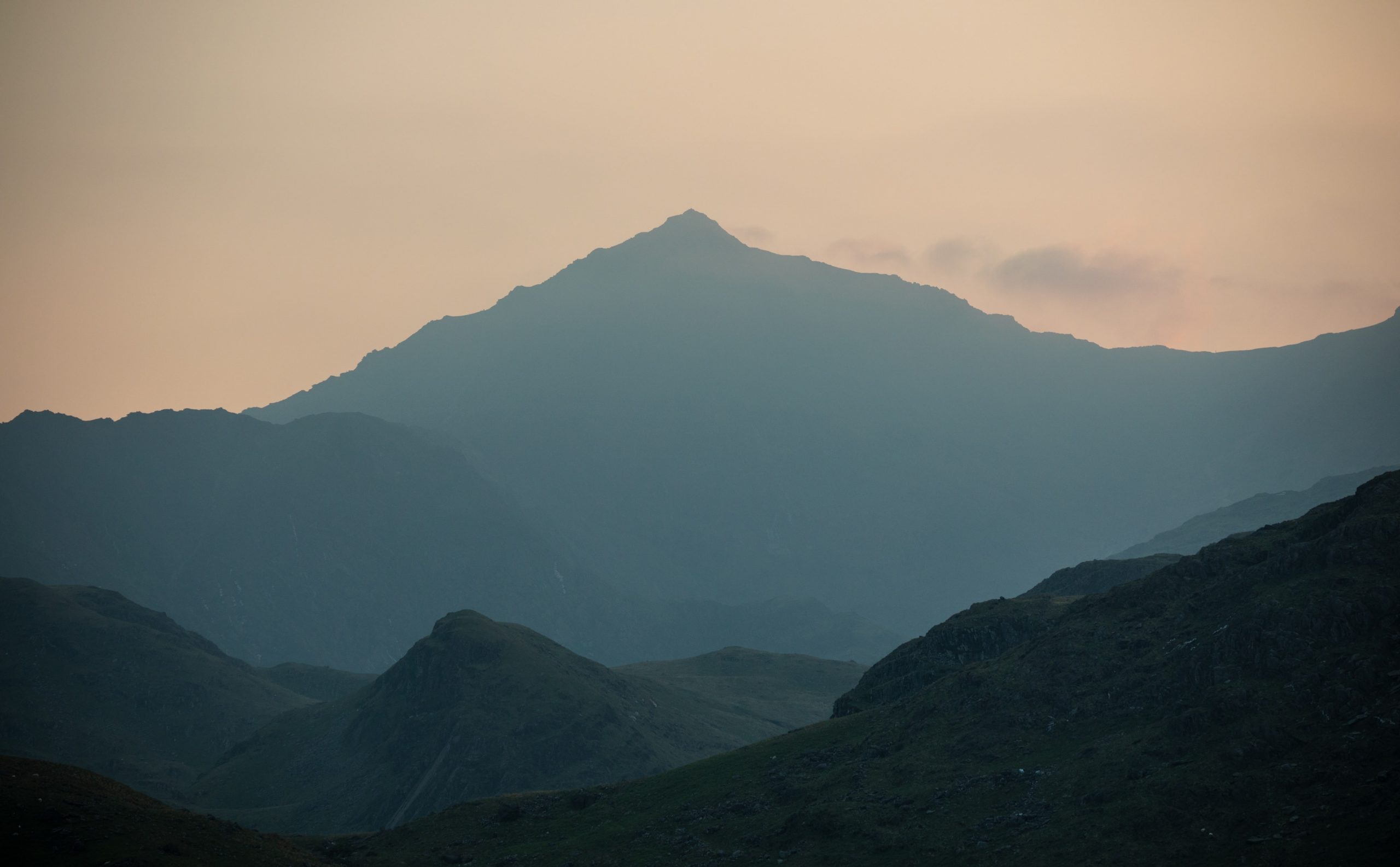
Llandudno is best known as a Victorian seaside resort, with its sweeping promenade, pier and two beaches. It is also an excellent base for the outdoors. The Great Orme rises straight from the town, the Wales Coast Path runs along the shore, and the mountains of Eryri (Snowdonia) are a short drive up the Conwy Valley. If you are staying in a luxury B&B in Llandudno, you can enjoy the sea one day and the mountains the next. Our seven-day Eryri itinerary mixes both, and 48 hours in Llandudno covers the town itself.
The Great Orme
The Great Orme (Y Gogarth) is a limestone headland that dominates the town. You can walk up from the end of the promenade or from the town centre, ride the Great Orme Tramway, a historic cable-hauled tram that climbs from the town to the summit, or take the cable car when it is running. The tramway and summit facilities are seasonal and close in winter, so check before you go.
The headland is a country park and nature reserve, with heath, limestone grassland, rare plants and seabird cliffs. Look out for the Orme’s famous herd of wild Kashmiri goats on the rocky slopes. Part of the headland is Parc Farm, a working farm cared for by the National Trust, so keep dogs on leads near livestock. The Marine Drive, a toll road around the headland, is a popular walk or cycle with sea views all the way.
Beaches and the water
North Shore, the main beach, curves along the bay beneath the promenade. West Shore, on the Conwy estuary side, is quieter and is a good spot for sunsets with views towards Conwy and the mountains. Paddleboarding and kayaking are popular on calm days, and boat trips from the pier head out around the Orme in summer, with a chance of spotting seals, seabirds and sometimes dolphins. Always check conditions and get local advice before going on the water.
Walking and cycling
The Wales Coast Path passes through Llandudno, linking the town with Deganwy, Conwy and beyond. The section around the Orme and along the estuary is easy to follow and full of views. Cyclists can follow coastal routes towards Conwy and Colwyn Bay; our guide to year-round cycling in Eryri covers wet days and bike care. On a clear day, the peaks of the Carneddau stand out across the estuary.
Into Eryri
This is where Llandudno really earns its place as an outdoor base. Follow the A470 south up the Conwy Valley and in around 40 minutes you reach Betws-y-Coed, the eastern gateway to Eryri National Park, with its woodland walks, waterfalls and riverside cafés. Our Betws-y-Coed guide covers the best of it.
From there, the A5 leads west to Capel Curig and Ogwen, where the short circuit of Cwm Idwal is one of the finest walks in Wales; see our Cwm Idwal guide. And if you want to climb Yr Wyddfa (Snowdon), our first-time visitors guide and parking and transport guide will help you plan the day. Parking at Pen y Pass must be booked in advance in the main season, so many visitors use the Sherpa’r Wyddfa bus instead.
Conwy, just across the estuary, is worth a stop on the way back. Its castle and town walls are part of a UNESCO World Heritage Site; our castles guide has more.
Planning your trip
Spring and summer bring long days for walking and the water, while autumn is quieter and often beautifully clear. Winter coastal walks can be bracing and lovely, but mountain conditions change fast, so check the Met Office mountain forecast before heading into Eryri. Bring waterproofs and proper footwear whatever the season.
Croeso i Landudno (welcome to Llandudno).
FAQ
How far is Llandudno from Snowdonia?
Betws-y-Coed, on the edge of Eryri National Park, is around 40 minutes’ drive up the Conwy Valley.
Is the Great Orme Tramway open all year?
No. It runs seasonally and closes in winter. Check the operator’s website for current dates.
Can you walk up the Great Orme?
Yes. Several paths climb from the town and the promenade, and the Marine Drive around the headland is a popular walk.