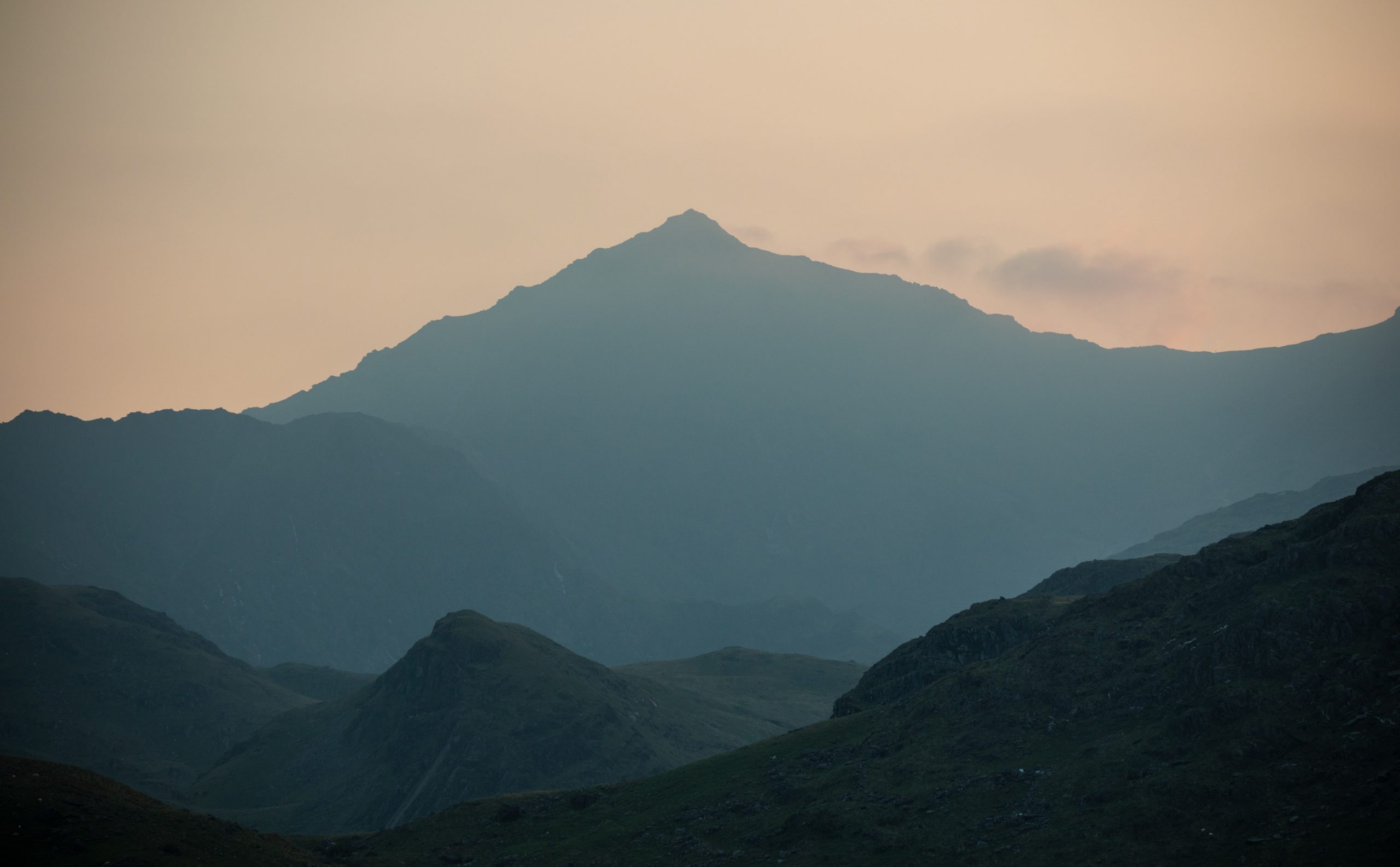
For centuries, the farming story of Eryri has been written in wool and Welsh Black beef. But walk through the right gate today and you might find yourself standing in a row of ripening grapevines, a cloud of lavender fragrance, or a polytunnel full of heritage salad leaves — all set against the same mountains that have always defined this landscape.
A quiet revolution is underway across Snowdonia’s farmland. Niche growers are proving that the region’s challenging climate isn’t a barrier — it’s a selling point. Cool nights, clean air and mineral-rich glacial soils are producing crops with character that you simply cannot replicate on lowland plains further south.
Vineyards at the Foot of the Mountains
Pant Du Vineyard near Caernarfon sits on the glacial slopes of the Nantlle Valley, within sight of Yr Wyddfa itself. This family-run operation produces Welsh wine alongside cider, apple juice and spring water, and has a café on site for visitors. Further east, Gwinllan Conwy Vineyard enjoys views across the Eryri National Park and offers tours for up to twenty visitors at a time. The North Wales climate suits hybrid grape varieties, and the resulting wines carry a clean minerality that increasingly catches the attention of sommeliers looking for something genuinely different.
Lavender, Herbs and Botanical Growers
Welsh lavender has a long pedigree — Farmers’ Welsh Lavender, based near Builth Wells, has been growing and distilling in the hills for years, producing natural body creams and balms from their harvest. Closer to Snowdonia, smaller growers are planting lavender as both an agritourism draw and a raw material for artisan products. The economics make sense: lavender is a low-maintenance perennial, it tolerates poor upland soils, it attracts pollinators (a big tick for farms in agri-environment schemes), and it creates a visitor experience that photographs beautifully on social media.
Beyond lavender, look for herb nurseries and wildflower growers dotted along the Conwy Valley and into the Ogwen and Llugwy valleys. Many sell at local farmers’ markets or supply to restaurants on the North Wales food trail.
Where to Buy Direct
If you want to take Snowdonia home with you, start at Bodnant Welsh Food Centre in the Conwy Valley. Set within the national park, it brings together cheese makers, bakers, honey producers and the National Beekeeping Centre of Wales under one roof. The Rhug Estate near Corwen is one of the UK’s largest organic farms, with a farm shop stocking over 3,000 products alongside its own organic meats. For something smaller and more personal, look for roadside farm shop signs along the A5 corridor and the back roads of Meirionnydd — many of Snowdonia’s best producers don’t have websites, just a honesty box and a hand-painted sign.
The message from Snowdonia’s niche growers is clear: the mountains might define the landscape, but they don’t have to define what grows here.