
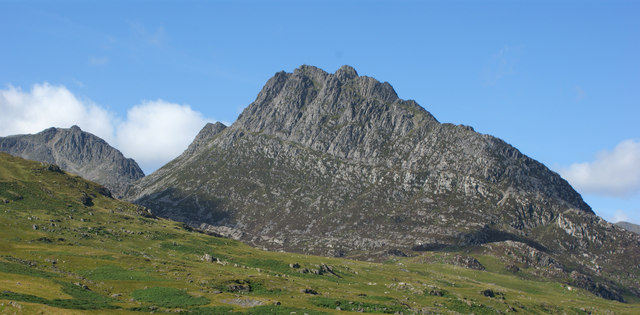
The north-facing cliffs above Llyn Idwal hold arctic-alpine plants at their southernmost British locality — survivors of the last glaciation left stranded on a cold, wet cliff face as the climate warmed around them. Tufted saxifrage, mountain avens, alpine meadow-rue: these are plants of Greenland and Svalbard that have persisted in this Welsh cwm for ten thousand years. This is Experience #69 of the Snowdonia 100.
The Plants
| Tufted saxifrage | Tiny white flowers in crevices — one of the rarest plants in Wales |
| Mountain avens | White flowers with yellow centres — characteristic of arctic tundra |
| Alpine meadow-rue | Tiny, delicate — at its southern British limit here |
| Purple saxifrage | First to flower in spring — sometimes blooming in February |
| Best time to see | May–July for flowers; plants visible year-round on cliff faces |
Why They're Here
At the height of the last ice age, these plants grew across lowland Britain. As the ice retreated and temperatures rose, they followed the cold northwards — except where north-facing cliffs provided a cold, wet microclimate equivalent to their arctic and alpine native habitats. The cliffs above Llyn Idwal have maintained the necessary conditions: shaded from direct sun, damp from seepage, cold even in summer. The plants have been here for ten millennia, a living connection to the Ice Age landscape.
Seeing Them
The plants grow on the cliff faces themselves, not on the valley floor or path. Binoculars help from the valley circuit. The Idwal Slabs and the cliffs of Y Garn above them are the main locations. Do not attempt to approach the cliff base off the main path — the cliff face is a protected Site of Special Scientific Interest and the vegetation is extremely vulnerable to disturbance.
Experience #69 of 100 — Wildlife category.
Independently written — Snowdon.com