
The complete Snowdonia 100 — 100 essential experiences in Eryri, grouped into ten categories of ten. Each entry is a specific, achievable experience. Work through them over a lifetime of visits, or use them to plan your next trip.
Summits
- Yr Wyddfa / Snowdon (1,085m) — The highest point in Wales and England. By any of the six routes; on a clear day.
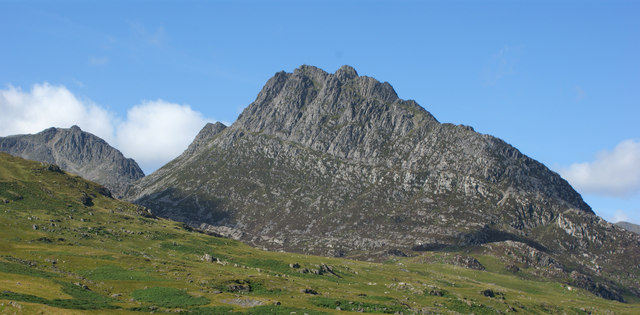
- Tryfan (915m) via North Ridge — The only mountain in England and Wales that cannot be reached without using your hands. Leap between Adam and Eve at the summit.
- Cadair Idris / Penygadair (893m) — Via the Minffordd Path past the dark lake of Llyn Cau. Sleep on the summit if you dare.
- Carnedd Llewelyn (1,064m) — The third-highest mountain in Wales, on the vast Carneddau plateau. Named for Wales's last great prince.
- Crib Goch (923m) — The knife-edge arête above Glaslyn. Grade 1 scramble with exposure on both sides. The finest mountain challenge in Wales for non-climbers.
- Glyder Fawr (999m) — The chaotic rock-spire summit of the Glyderau. Cross the plateau via the Devil's Kitchen for a full mountain day.
- Y Garn (947m) — The underrated Glyderau summit, with outstanding views of Llyn Idwal below and the Carneddau across the valley.
- Pen yr Ole Wen (978m) — The most brutally direct ascent in Eryri: straight up from Llyn Ogwen, gaining 800m in 2km.
- Y Lliwedd (898m) — The dark twin-topped peak forming the southern arm of the Snowdon Horseshoe, with its imposing north face above Llyn Llydaw.
- Moel Siabod (872m) — The isolated summit above Capel Curig, with perhaps the finest view of Yr Wyddfa from any direction. Via the northeast ridge from Pont Cyfyng.
Routes and Ridges
- The Snowdon Horseshoe — Crib Goch, Crib y Ddysgl, Yr Wyddfa, Y Lliwedd in a single circular day. One of the great mountain rounds in Britain.
- Cwm Idwal Circuit — The 5km circular walk around Wales's first nature reserve. Darwin's geological classroom; arctic-alpine plants; Idwal Slabs.
- The Mawddach Trail — 14km flat, surfaced path along the former railway from Dolgellau to Barmouth. RSPB estuary, mountains behind, sea ahead.
- Watkin Path to Cwm Llan — Walk past Gladstone Rock, through ancient oak woodland to Cwm Llan, and turn back. An outstanding half-day without the summit.
- The Carneddau Ridge Traverse — Pen yr Ole Wen to Foel Fras over the great northern plateau. Wild ponies, remote tarns, views to Anglesey and Ireland.
- Precipice Walk, Dolgellau — 6km above the Mawddach Estuary, no technical difficulty, 360-degree views. The finest easy walk in southern Eryri.
- Pyg Track traverse — Ascend via Pyg, descend via Miners' Track, taking in Glaslyn and Llyn Llydaw from above and below.
- Aberglaslyn Pass walk — The 3km path through the Aberglaslyn gorge from Beddgelert, following the Welsh Highland Railway through the narrow rock-walled valley.
- Rhinog Fawr via Roman Steps — The ancient paved trackway through the Rhinogydd to the summit of Rhinog Fawr — one of the loneliest and least visited routes in the park.
- Glyder Fach and the Cantilever Stone — The summit of Glyder Fach with its extraordinary perched rock, connected to Glyder Fawr across a boulder-strewn plateau.
Lakes and Waterfalls
- Glaslyn at dawn — The copper-green lake beneath the summit, its colour most extraordinary in early morning light, before the day's walkers arrive.
- Llyn Idwal — Wales's first nature reserve in its glacial cwm. Darwin's "site of desolate grandeur." Arctic-alpine plants on the cliffs above.
- Swallow Falls in spate — The Afon Llugwy in full flood after heavy rain. Best viewed from the east bank.
- Llynnau Mymbyr reflection — Yr Wyddfa perfectly reflected in the twin lakes at Capel Curig. Best at dawn, on a windless day in spring or autumn.
- Llyn Tegid by kayak — Paddle the full 6km length of Wales's largest natural lake, with the Aran mountains above and the Afanc somewhere beneath.
- Aber Falls (Rhaeadr Fawr) — A 37m waterfall at the northern edge of the Carneddau, reached by a 4km walk from Abergwyngregyn. One of the tallest in Wales.
- Conwy Falls — The Afon Conwy drops dramatically through a rocky gorge 3km south of Betws-y-Coed. Accessible from the A5 car park.
- Llyn Gwynant at sunset — The long valley lake in Nantgwynant, with Yr Wyddfa above and the oak woodland reflected in still water. Best in autumn.
- Rhaeadr Du, Ganllwyd — A 10m black waterfall in ancient oak woodland above the Mawddach valley. Remote, uncrowded, and outstanding.
- Llyn Cau, Cadair Idris — The dark, cliff-ringed lake in the cwm below Cadair Idris. One of the most dramatic cirque lakes in Wales. Reached by the Minffordd Path.
Villages and Towns
- Beddgelert in the evening — After the day visitors have left. The confluence, the bridges, the wooded hills above. Dinner at the Tanronnen.
- Betws-y-Coed in November — The autumn colours on the Llugwy and Conwy rivers. The gorge walks without the summer crowds.
- Portmeirion — Clough Williams-Ellis's Italianate fantasy village on its private peninsula. Extraordinary and entirely unlike anywhere else in Wales.
- Harlech in winter — The castle above the coastal plain, the Rhinogydd snow-capped behind, the town without its summer visitors.
- Barmouth at high tide — The Mawddach mouth at its most painterly: the Victorian bridge, the estuary, the mountains behind.
- Dolgellau gold trail — Walk the Mawddach valley from Dolgellau to see where the Welsh gold for royal wedding rings has been extracted since 1854.
- Aberdyfi on the quay — Painted Georgian houses above the estuary mouth. Listen for the bells of the drowned city. Sail across if you can.
- Blaenau Ffestiniog slate town — Walk through the grey-stone terraces and enormous slate tips. Severe, honest, UNESCO-listed.
- Llanberis after rain — The quarry terraces darkening, Llyn Padarn steaming, Yr Wyddfa hidden. Pete's Eats for a bowl of soup.
- Caernarfon walled town — Edward I's colonial project, now a living Welsh town. Walk the full circuit of the town walls.
History and Heritage
- Harlech Castle — UNESCO World Heritage Site. Stand on the battlements and look out to sea, then back to the mountains. The gatehouse is one of the finest in Britain.
- Dolbadarn Castle — Llywelyn ap Iorwerth's round tower above Llyn Padarn. The contrast with Edward's concentric fortresses says everything.
- Dinas Emrys — The hill above Nantgwynant where Merlin revealed the two dragons. 5th-century CE occupation confirmed by archaeology.
- National Slate Museum, Llanberis — Free. The Victorian workshops intact; the great water-wheel turning; the slate splitters demonstrating a dying craft.
- Penrhyn Castle — The neo-Norman pile built on slate quarry profits. National Trust. The slate four-poster bed alone justifies the visit.
- Roman Steps, Rhinogydd — The ancient paved trackway through the Rhinogydd hills — probably medieval but extraordinary in its remote setting.
- Cwm Nantcol standing stones — The remote valley above Llanbedr holds several Neolithic and Bronze Age standing stones in spectacular mountain setting.
- Ffestiniog Railway from Porthmadog — The world's oldest narrow-gauge passenger railway (1836), through the Vale of Ffestiniog to Blaenau. Take the full round trip.
- Gwydyr Castle, Llanrwst — The 15th-century manor house in the Conwy valley, with extraordinary state rooms and walled garden.
- Llechwedd Slate Caverns — The underground world of the Victorian slate miner. The Deep Mine tour on the steepest cable railway in Britain.
Food and Drink
- Cawl at a Welsh pub — Traditional lamb and leek broth, with bread and Welsh cheese, in a pub where Welsh is the everyday language. Order it as "cawl" (rhymes with "owl").
- Pete's Eats, Llanberis — The walkers' cafe since 1980. Enormous portions, no fuss, genuine welcome. A Snowdon institution.
- Pen-y-Gwryd Hotel — The 1953 Everest team's base camp. Unchanged in its essentials. The bar ceiling still bears their signatures.
- Castle Cottage, Harlech — One of the finest restaurants in the national park. Local seafood and Welsh produce, castle views.
- Mawddach Restaurant, Dolgellau — Estuary views, Welsh produce, locally landed fish. The best dining experience in southern Eryri.
- Welsh Whisky at Penderyn — Wales's only whisky distillery. Try the Madeira finish, widely available across the park.
- Lleyn Seafood at Nefyn — Drive to the Llŷn Peninsula for the lobster and crab landed at Nefyn's fishing harbour. Eat at the Ty Coch pub, on the beach.
- Conwy Valley produce — The Conwy valley holds excellent local producers: Caws Cenarth cheese, Harlech Seasonal organic vegetables, Conwy Valley beef.
- Blas, Caernarfon — The best restaurant in Caernarfon, in a medieval building within the town walls. Seasonal Welsh cooking at a high level.
- Bryn Tyrch Inn, Capel Curig — The walkers' pub at the foot of the Glyderau. Real ales, good food, and the best view from any pub garden in Eryri.
Wildlife
- Peregrine falcon at Cwm Idwal — The fastest animal on earth, nesting on the crags above Wales's first nature reserve. Visit in spring and summer.
- White-tailed eagle over the Dyfi — The returning eagle. The Montgomeryshire Wildlife Trust's Cors Dyfi reserve is the best viewing point, with live camera feeds in season.
- Carneddau wild ponies — The semi-wild ancient breed roaming the high Carneddau plateau. Often encountered on the ridge between Carnedd Dafydd and Foel Fras.
- Pied flycatcher in Gwydir Forest — The summer migrant nesting in the sessile oak woods of the Conwy valley. Listen for the liquid, descending song from April onward.
- Red kite over Nant yr Arian — The red kite feeding station near Aberystwyth draws up to 100 birds at 3pm daily. One of the great wildlife spectacles in Wales.
- Chough on the Llŷn cliffs — The red-billed, red-legged crow of Celtic legend, now rare across most of Britain. The cliff paths of the Llŷn Peninsula hold a strong Welsh population.
- Gwyniad of Llyn Tegid — The unique endemic fish found only in Bala Lake. Knowing it's there, found nowhere else on earth, makes the lake remarkable.
- Otter on the Glaslyn — The Glaslyn valley below Beddgelert holds a resident otter population. Early morning and late evening, check the river banks.
- Arctic-alpine plants on Cwm Idwal cliffs — Tufted saxifrage, mountain avens, alpine meadow-rue at their southernmost British localities, left stranded by the retreating ice.
- Red squirrel in Newborough Forest, Anglesey — Just across the Menai Strait, Newborough Warren holds the largest red squirrel population in Wales. Best seen in autumn at the forest edge.
Culture and Language
- Order in Welsh — In any cafe in Llanberis, Beddgelert, or Capel Curig, attempt your order in Welsh: "Coffi du, os gwelwch chi'n dda" (black coffee, please). The response will be warm.
- Read the OS map in Welsh — Navigate a walk using only the Welsh place names on the OS Explorer map. Every name is a description; the map becomes a story.
- Attend a local Eisteddfod — The local Eisteddfod circuit runs throughout summer across Eryri. A morning of competitive recitation, singing, and poetry in Welsh.
- Visit a Welsh-medium bookshop — Siop Lyfrau'r Hen Bost in Llanrwst stocks the best range of Welsh-language books in the region.
- Listen to S4C — The Welsh-language television channel (since 1982) is on Freeview. An evening of Welsh-language news grounds you in the first language of the landscape.
- Walk a route with all-Welsh signage — Several Eryri NPA waymarked routes use only Welsh on their signposts. Decode the names as you walk.
- Hear Welsh spoken as an everyday language — In a market, a post office, a school playground. Not performed, not for tourists. The oldest living language in Britain, in daily use.
- Visit a Welsh Nonconformist chapel — The great 19th-century chapels of the slate towns — Capel Mawr in Bethesda, Salem in Blaenau Ffestiniog — are remarkable buildings and cultural touchstones.
- Read Y Mabinogion — The great medieval Welsh tales, available in Sioned Davies's authoritative 2007 translation. Read Branwen or Math before walking the Conwy valley.
- Gelert's Grave — knowingly — Visit the fabricated gravestone in Beddgelert knowing the story of David Pritchard's 1800 invention. The combination of acknowledged fabrication and continued veneration is a genuine Welsh cultural insight.
Adventure
- Zip World Velocity 2 — The longest zip line in Europe (1.5km) and one of the fastest in the world (160km/h), in the Penrhyn Quarry above Bethesda. Book well in advance.
- Kayak Llyn Padarn — Rent a kayak in Llanberis and paddle the length of Llyn Padarn. The view of Yr Wyddfa from the lake surface is unique.
- Mountain bike Coed y Brenin — The Coed y Brenin Forest above Dolgellau has some of the finest dedicated mountain bike trails in Wales — from beginner green routes to demanding red/black trails.
- Rock climb on the Idwal Slabs — The Idwal Slabs in Cwm Idwal are the classic beginner climbing venue in Wales — gentle-angled friction slabs. Hire a guide from Plas y Brenin.
- Winter mountaineering on Yr Wyddfa — With crampons and ice axe, in genuine winter condition, the mountain transforms. Guided by Plas y Brenin or local guides.
- Sea kayak off the Llŷn Peninsula — The Llŷn coast is one of the best sea kayaking areas in Wales — headlands, sea caves, clear water. Several outfitters in Pwllheli offer guided trips.
- Go Below underground adventure — Abseiling, zip lines, and exploration in the slate caverns above Betws-y-Coed. Intimate, guided, full kit provided.
- Wild swimming in Glaslyn — Swimming in the copper-green lake beneath the summit of Yr Wyddfa is cold, bracing, and entirely memorable. In summer only; the setting is incomparable.
- Trail run the Pyg Track — One of the most runnable routes in the park — good surface, spectacular views, enough technical sections to keep it interesting. Early morning, when the path is empty.
- The Welsh 3,000s in 24 hours — All 15 summits over 3,000 feet, in a single continuous effort. 50km, 4,300m of ascent. One of Britain's great mountain challenges.
Hidden Eryri
- Cwm Nantcol, Rhinogydd — The remote valley above Llanbedr, with Neolithic standing stones, a 16th-century farmhouse (Maes y Garnedd), and a silence the more visited parts of the park cannot offer.
- Pared y Cefn Hir, Aran Fawddwy — The long ridge walk south from Dolgellau over high moorland, with views that almost nobody sees. The Aran mountains are the forgotten giants of southern Eryri.
- Llyn Crafnant valley — The walk from Trefriw to Llyn Crafnant passes a rock overhang associated with a Victorian hermit. One of the quietest valleys in the park.
- Capel Curig churchyard at dusk — St Julitta's churchyard above the village is one of the finest places in Eryri to watch the light fade over the mountains. Rarely visited; deeply quiet.
- Rhaeadr y Cwm, Ffestiniog — A waterfall on the Afon Cynfal in the Vale of Ffestiniog that most visitors never find. A short walk from the A470; spectacular in full flow.
- The smallest house in Conwy — On the quayside at Conwy, the Red House — claimed as the smallest house in Great Britain at 3.05m high and 1.8m wide — is an absurdity with charm.
- Arenig Fawr (854m) — The isolated, rarely visited summit above Llyn Arenig Fawr. A rough, trackless ascent with enormous views and complete remoteness.
- Llyn y Bi, Rhinogydd — A remote mountain lake in the Rhinogydd requiring rough navigation to reach. No path, no signpost, no other walkers.
- The view from Aran Fawddwy (905m) — The highest point in southern Eryri, rarely visited, with one of the most expansive panoramas in Wales.
- Wild camp on the Carneddau plateau — Camp below Carnedd Llewelyn and wake to sunrise over the Irish Sea with Carneddau ponies grazing at 1,000m.