
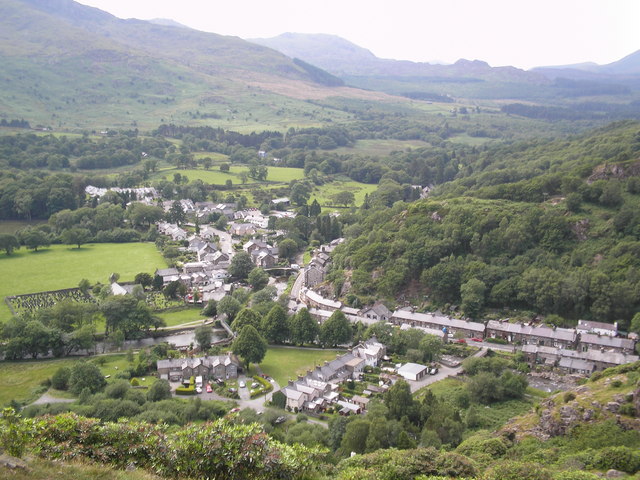
The gravestone of Gelert — the faithful hound of Prince Llywelyn, killed in error when Llywelyn found his infant son's cradle overturned and the dog's mouth bloody, not knowing that the dog had slain a wolf threatening the child — is a fabrication. David Pritchard, landlord of the Royal Goat Hotel in Beddgelert, invented the story in 1800 to attract visitors. The gravestone he erected is still there. People still visit. The village is named for the story. This is Experience #80 of the Snowdonia 100.
The Fabrication
The story of the faithful hound killed in error is a "migratory legend" — a tale found in numerous cultures across Europe and Asia, none of them specifically connected to Beddgelert or any real Llywelyn. Pritchard borrowed the structure and attached it to the local landscape, giving the village a mythology it had not previously possessed and creating a tourist attraction that has operated continuously for over two centuries. The story first appeared in print in 1800; by 1810 the gravestone was in place and visitors were paying to see it.
| Location | Meadow beside the Glaslyn, 400m south of Beddgelert village |
| Access | Short walk from village centre on the Aberglaslyn path |
| Status | Fabrication of 1800 — no historical basis |
| Significance | Early example of deliberate heritage tourism creation |
Why Visit It Knowingly
Visiting Gelert's Grave while knowing its origin is a genuinely interesting cultural experience — an early and unusually transparent example of the construction of heritage tourism. The fact that the story is a fabrication does not reduce the emotional impact of the site on most visitors; the story works regardless of its truth. That combination of acknowledged fabrication and continued veneration says something real about how places acquire meaning that no amount of historical accuracy can quite displace.
Experience #80 of 100 — Language and Culture category.
Independently written — Snowdon.com