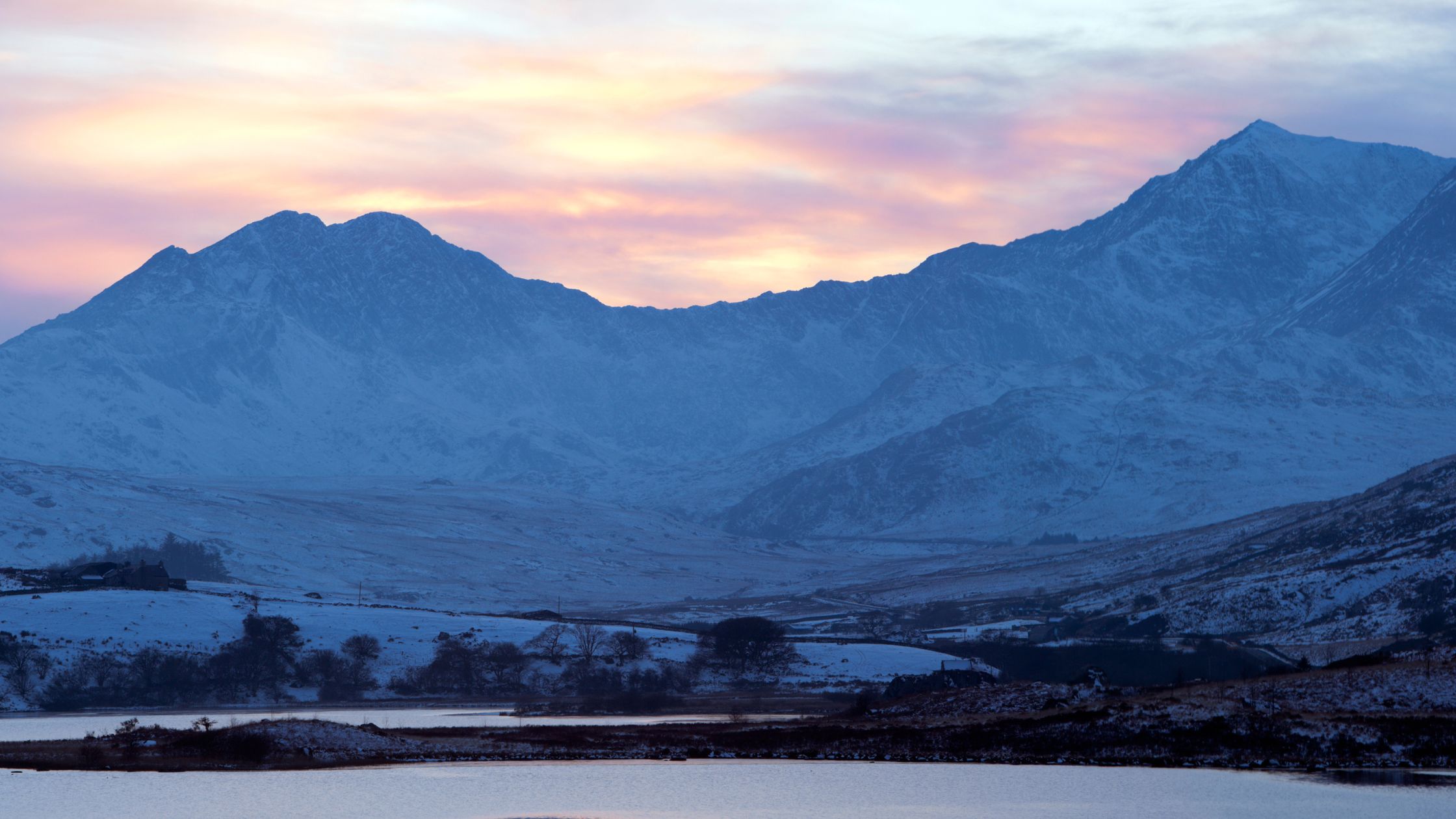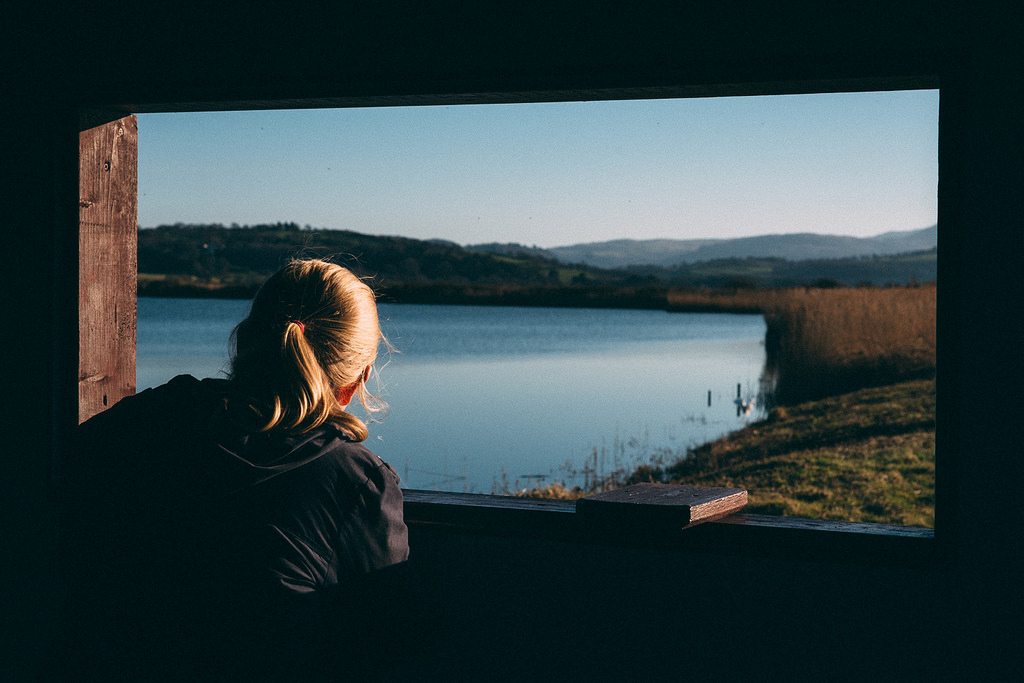
Most people heading into Eryri (Snowdonia) along the A55 drive straight past one of the best wildlife spots in North Wales without knowing it is there. RSPB Conwy sits on the east bank of the Conwy estuary, right beside the expressway, with views across the water to Conwy Castle and the mountains beyond. It makes an easy, rewarding stop on the way in or out of the hills.
A reserve built from a road tunnel
The reserve has an unusual origin. When the A55 tunnel was built under the Conwy estuary between 1986 and 1991, material dredged out during construction was dumped on the estuary shore. As compensation for the wildlife habitat lost to the road scheme, that spoil was landscaped into lagoons, reedbeds and grassland. The reserve opened on 14 April 1995, and nature has made itself very much at home since.
Today it covers 47 hectares (about 114 acres) of grassland, scrub, reedbed, salt marsh and mudflat. More than 220 bird species have been recorded here.
What you might see
- Spring and summer: breeding lapwing and little ringed plover on the lagoon edges, skylarks over the grassland, and reed warblers singing from the reedbeds. Summer also brings dragonflies, damselflies and butterflies along the paths.
- Autumn and winter: ducks and waders gather on the lagoons and estuary outside the breeding season, and the reserve is known for its large starling roost, with murmurations over the reeds at dusk.
- Rarities: being on the coast, the reserve attracts the odd vagrant. Stilt sandpiper and alpine swift have both turned up over the years.
The Welsh for bird is “aderyn”, and birdwatching is “gwylio adar”, in case you spot the bilingual signs.
Facilities
- A visitor centre and café overlooking the water.
- Three hides and level paths around the lagoons, good for families and buggies. For more gentle outings, see our easy family walks in Eryri.
- A farmers’ market held in the car park each month.
Check the RSPB website for current opening times, parking charges and events before you go.
On the way to Eryri
From the reserve, the mountains are close. Follow the Conwy valley south and you reach Betws-y-Coed in around half an hour, or head west along the A55 towards Bangor and up the Ogwen valley to Cwm Idwal, itself a superb spot for wildlife and geology. Coming from the coast, our piece on Llandudno, the Great Orme and the road to Eryri suggests more stops along the way.
If you are staying in the Conwy valley, the Glan Aber Hotel in Betws-y-Coed is a well-known base for walkers and families, with dog-friendly rooms and a bunkhouse. Our Betws-y-Coed guide has more on the village.
For more on the birds and animals you can find in the national park, from ospreys to feral goats, see our guide to the wildlife of Eryri. One of the park’s rarest residents, the torgoch of Llyn Padarn, has a story of its own.
Tips for visiting
- Bring binoculars, or check whether any are available to borrow at the visitor centre.
- Visit around high tide in autumn and winter, when birds are pushed off the estuary mudflats closer to the reserve.
- Arrive late on a winter afternoon if you want to catch the starling roost.
- Stick to the paths and keep noise down near the hides.
FAQs
Where is RSPB Conwy?
On the east side of the Conwy estuary, next to the A55, opposite the town of Conwy.
Is RSPB Conwy good for children?
Yes. The paths are short and level, there is a café, and the RSPB often runs family activities in the school holidays.
When is the best time to visit?
Any time of year. Spring and summer are best for breeding birds and insects; autumn and winter for waders, ducks and the starling roost.